
 Download

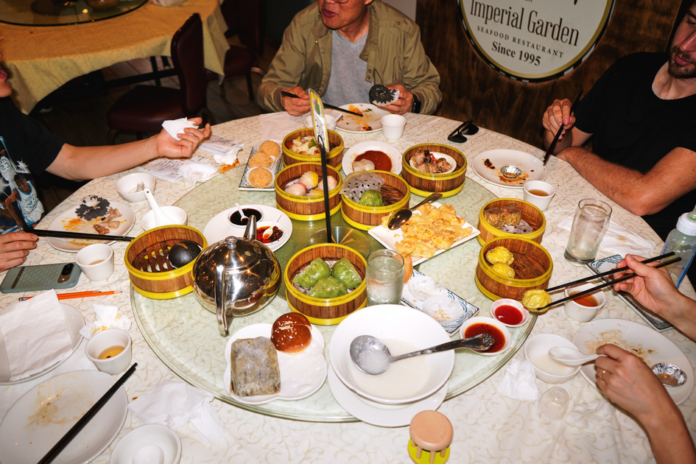

A 31-year-old Chinese restaurant and Legacy Business in the Portola neighborhood will close at the end of the year. Imperial Garden Seafood Restaurant, known to its community as 德群 or duk kwan, announced (opens in new tab) on Instagram in September that its final day of service will be Dec. 31. Owner Elaine Yen tells The Standard it was a difficult decision for her family, including her father, Phong Yen, who opened the restaurant with her late mother, Elin Yen, in 1995. It’s also the right one.
“My parents’ American dream was to make sure their children are out of trouble, have a direction in their life,” Yen says. “They made a business so we had somewhere to go. It complemented what the neighborhood needed.”
The property was sold in February, and though there were a few years left on the lease, the new owners gave Yen the option to exit early, as there is no long-term plan for a restaurant there. Yen stresses that the restaurant was not kicked out and did not experience any friction with the new owners. Instead, she says, factors in the decision included a neighborhood that’s eating out less and a lack of parking.

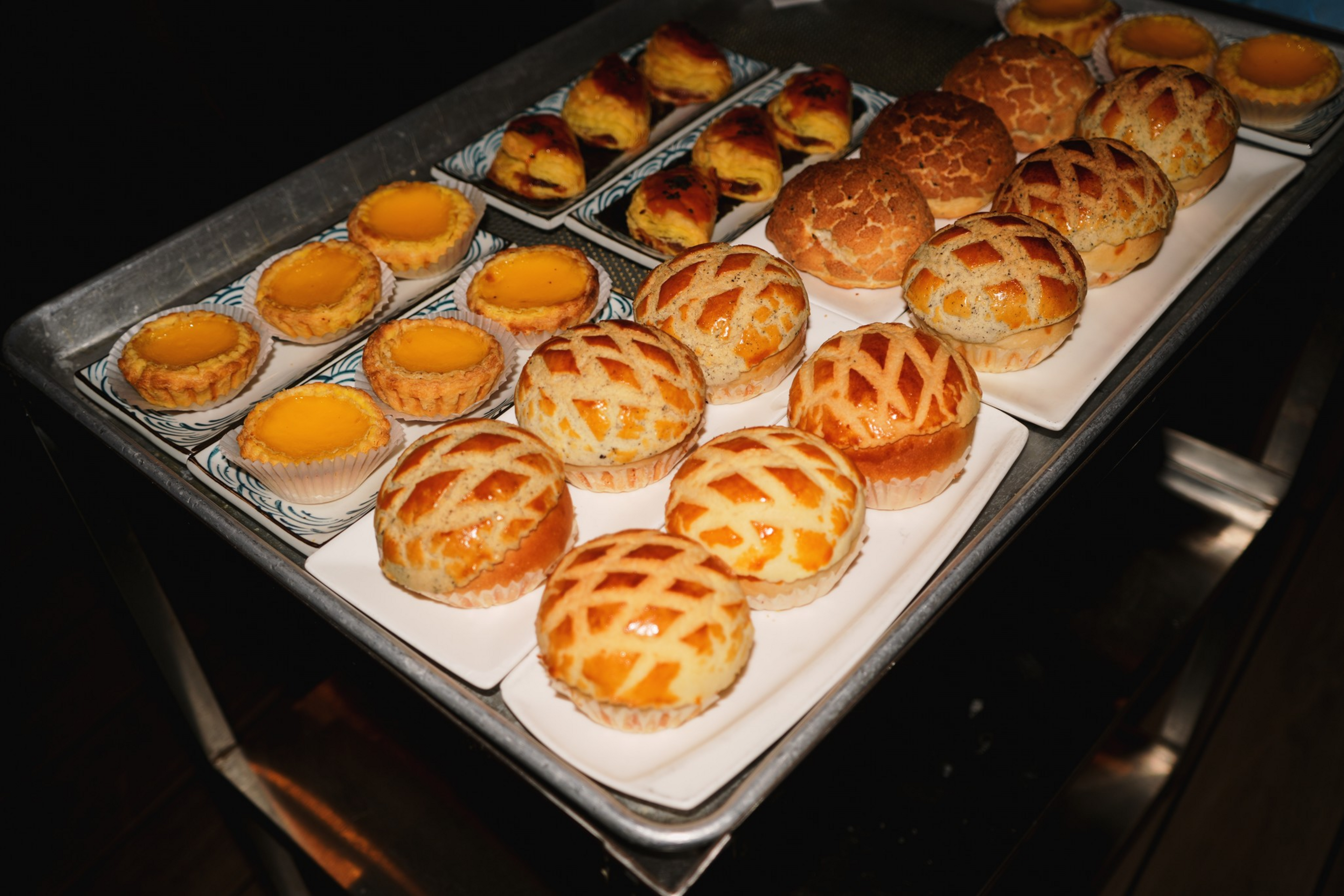
Imperial Garden has been a hit since its early days, selling takeout orders of chicken feet and swan-shaped durian puffs. It houses Menny Ly’s Sassy Foods (opens in new tab), the city’s first and only vegan dim sum business, which Ly says will relocate, likely to the East Bay. The two women have been friends since childhood, when they’d both push shopping carts down the aisles of the original San Bruno Market, which Yen’s family also owned. Ly joined Yen in running the family restaurant in 2023. Together, they brought a robust suite of vegan options to the restaurant, including baked mochi buns, pear-shaped glutinous fried dumplings, and Impossible beef noodle rolls.
Busy dim sum brunches brought Imperial Garden back from COVID. But Yen says the restaurant experienced about three break-ins in 2022, raising concerns of public safety. Plus, businesses in the area are less trafficked than when she was a kid. In her mind, 2020 would’ve been the best time to close. She used to drive up and down the block during those quiet pandemic years, and she couldn’t escape the sense of responsibility she felt for the aging Chinese community in the greater Visitacion Valley area. Her six siblings knew she was under a lot of pressure, but she wanted to stick around for her dad, who is in his 80s.
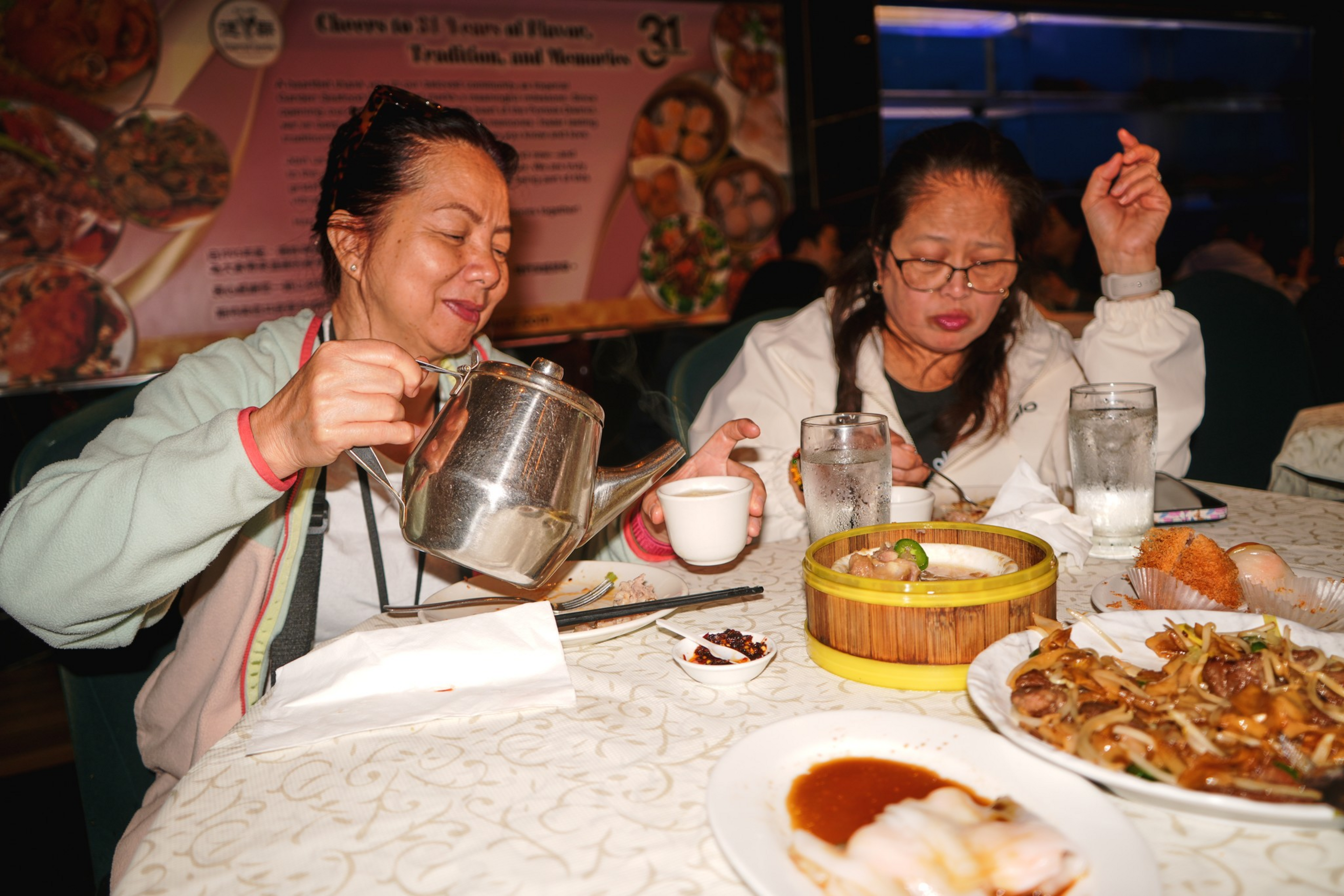
“San Bruno Avenue is just a couple blocks up and down,” Yen says, “and we’re a dozen windows on the corridor. I just thought San Bruno helped raise us, and I just can’t [close] yet.”
On San Bruno Avenue, few restaurants have held court so prominently as Imperial Garden. Chinese restaurants Ming Hui Dim Sum and Yuexiang remain open, plus coffee hot spot Hey Neighbor Cafe and the fourth location of sports bar El Trebol. But Yen says her family’s business was among the first Asian-owned ones on the block. Neighborhood seniors have had regular dinners and dim sum breakfasts there since the ’90s. Throughout the years, the expansive restaurant, with multiple dining rooms, was the site of political events, including conversations with District Attorney Brooke Jenkins, and Asian Pride events from nonprofit Dear Community. In June 2026, District 9 Supervisor Jackie Felder wrote a letter of recommendation supporting Imperial Garden’s addition to the Legacy Business registry.
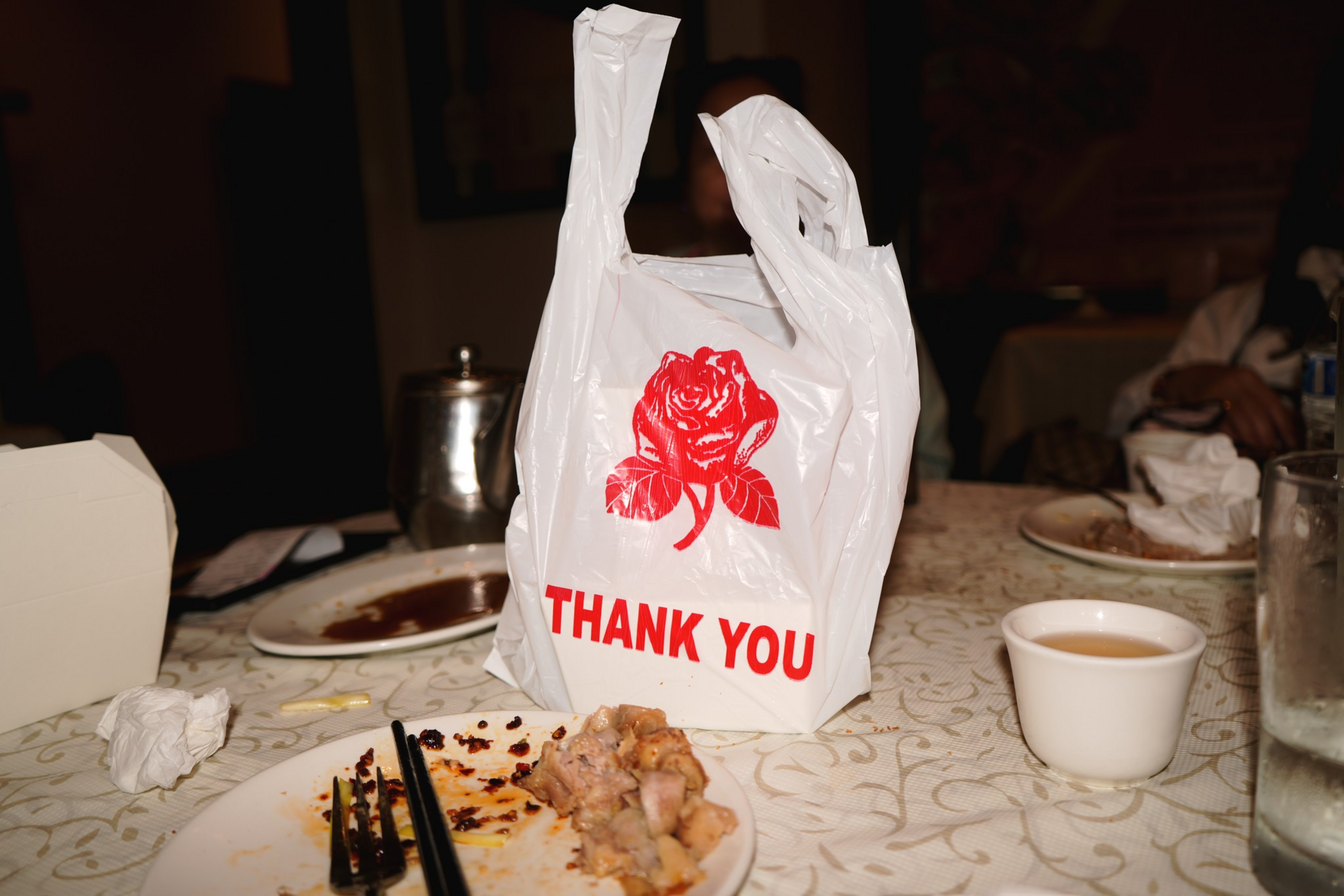
While the business has been in the red for a long time, Yen says she’s happy to have survived the pandemic so the family could welcome its longtime regulars again. She tried to make it work, subleasing the kitchen and hosting movie nights. She hopes the many generations of customers come back a few times before the final service. She’s setting up a get-together with her father and his friends.
“We know lots of businesses [that are] 40, 50, 60 years old. Nobody ever recognizes it,” Yen says. “I didn’t want to do a two-week announcement, not a one-month announcement. It’s just the end of a chapter. I just don’t see it as a sad thing.”