
 Download

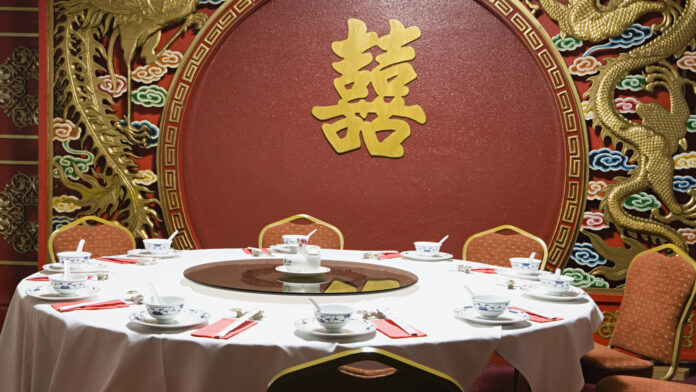

For more than a hundred years, Americans of all backgrounds have loved a trip to their local Chinese restaurant. From the rise of dishes like chop suey and, well, Chinese American takeout dishes from Panda Express to the American Jewish tradition of eating Chinese food on Christmas, there’s plenty to appreciate about Chinese restaurants in America and the culture surrounding them. But did you know many of these restaurants are staffed through a complicated network of employment agencies, whose practices may raise ethical concerns?
An October 2014 article in the New Yorker shed some light on these secret agencies, which largely operate out of Chinatown in New York City. The agencies share the same business model — sending Chinese immigrants, who are generally waiting for their asylum claims to be processed, to work in restaurants around the country. The agencies typically collaborate with bus companies and hostels to place the workers in restaurants in-state or out-of-state. This system, which often involves immigrants going heavily into debt, has been flagged as legally iffy, with a high potential for exploiting vulnerable immigrants. That said, many of the Chinese restaurant workers coming to the United States see it as a chance to escape poverty or religious persecution, as was the case of one young man interviewed in the New Yorker piece.
How Chinese American cuisine became its own unique dining experience

Chinese restaurants have existed in the United States for more than a century and a half, starting with the influx of Chinese immigrants who came to California in the mid-19th century seeking opportunity with the Gold Rush. Immigrants started businesses in cities where they settled, including, of course, restaurants. However, many residents of those cities already had distinctive preferences when it came to food, and weren’t interested in authentic, traditional Chinese cooking. To keep their businesses afloat, restaurant owners began to adapt to local tastes.
These adaptations included leaning into the twin American loves of fried food and sweet flavors, as well as creating dishes with larger amounts of meat than were usually found in authentic Chinese cuisine. Beyond that, many of the ingredients typically found in China were not likely available in 20th century America, while others, like canned fruit, could be purchased inexpensively, leading cooks to adapt. Thus, many of the best Chinese American dishes, including egg rolls, orange chicken, fortune cookies, and crab rangoon were born. While today, authentic Chinese restaurants, including outlets specializing in regional cuisine like Sichuan or Hong Kong-style dishes, can be found in many American cities, Chinese American food remains a beloved option as well.