
 Download


Sponsored by
A – F
Kamran Abbasi, editor-in-chief, British Medical Journal
Dr Abbasi is a regular feature on this list, having been appointed BMJ’s editor-in-chief in 2021 after a period as executive editor. He tackles controversial subjects head-on and has made the BMJ a must-read for those interested in health policy, as well as doctors.
He has edited several other medical journals and has developed e-learning resources for doctors’ professional development. He is also an honorary visiting professor in Imperial College London’s department of primary care and public health.
Outside of health, his overwhelming passion is cricket, on which he writes for major publications.
Dianne Addei, director of healthcare inequalities improvement programme, NHS England
Dr Addei trained as a consultant in public health and has spent much of her career working on programmes such as polio eradication. She took on her NHSE role last year and has led the sickle cell and thalassaemia quality improvement programme.
She is passionate about inequalities, whether it is women experiencing homelessness, the longer elective care waits in England’s most deprived parts or those affecting people of Black or Asian heritage. She is spearheading an initiative to train senior clinical leaders in the skills to address these inequalities.
Lord Victor Adebowale, chair, NHS Alliance
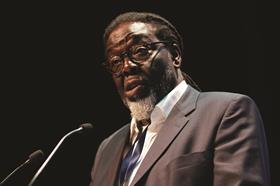
Lord Adebowale has led the NHS Providers and the NHS Confederation merger to create a unified – and hopefully more powerful – voice for the sector. He came to the Confederation in 2020 after many years as chief executive at the charity Turning Point, which provides care for people with complex needs.
He has been a “people’s peer” for 25 years and has led on several taskforce groups advising the government on issues such as mental health and the voluntary sector. Last year, he highlighted the poor NHS care his mother had received, saying she received “Black service, not an NHS service” in the period leading up to her death.
Foluke Ajayi, chief executive, Airedale Foundation Trust
Ms Ajayi has led Airedale FT for more than four years after joining from NHS England and NHS Improvement. She started her NHS career as a clinical scientist, specialising in paediatrics and cochlear implants, before moving into managerial roles, including in acute trusts, the DHSC, and NHS Employers.
She runs a small trust which covers an enormous geographical area, which she has described as looking like an idyll but with real social problems behind the chocolate-box image. She is an NHS Alliance trustee and was NHS Confederation vice chair before its merger with NHS Providers.
Rebecca Achieng Ajulu-Bushell, chief executive, 10,000 Interns Foundation
Ms Ajulu-Bushell heads a charity which is addressing the underrepresentation of Black people in the workplace. It is doing this by increasing paid internships for talented Black career starters – a model which is now being used for other underrepresented groups. It works with major employers, including NHSE, which welcomed 70 of its interns this summer. Alumni have already gone on to roles across the NHS and wider health sector.
Ms Ajulu-Bushell’s own story is inspiring: a first-generation immigrant from Kenya, she was the first Black woman to swim for Great Britain and gained a degree in fine arts from Oxford before starting her career in communications.
Duleep Allirajah, chief executive, Richmond Group of Charities
Mr Allirajah has led the collection of health- and care-related charities for four years, since joining from the Royal College of General Practitioners. He has also worked at Macmillan Cancer Support for nearly 14 years.
At a time when patient voice has sometimes seemed diminished in the NHS, the Richmond Group has been vocal on making reforms work for patients. Mr Allirajah has argued that neighbourhood health needs to be judged against what it means for patients and must work closely with the voluntary sector as well as involving patients.
In his spare time, he writes about football and supports Crystal Palace FC.
Thangadorai Amalesh, director, Barking, Havering and Redbridge University Hospitals Trust
Mr Amalesh is a consultant upper GI and laparoscopic surgeon who has been divisional director for BHRUT’s surgery, anaesthetics, and critical care group. He is involved in improving health services across north east London in surgical optimisation and elective recovery. His work leading improvement in high-volume, low-complexity surgery is at the forefront of the NHS.
He has previously been shortlisted for clinical leader of the year in the HSJ Awards, and he has written about his experience of contracting covid in the early part of the pandemic and coming close to hospital admission.
Valerie Amos, author, National Maternity and Neonatal Investigation
Baroness Amos has rarely been out of the news in the past year. Her maternity and neonatal review attracted much media attention and some criticism from families. But the report has prompted the government to appoint a maternity commissioner and announce national standards, while the failings it exposed – which she called worse than anticipated – may lead to a public inquiry.
A former international development secretary and leader of the House of Lords, she is now the master of University College, Oxford – the first Black head of any Oxford college.
Siva Anandaciva, director of policy, events and partnerships, The King’s Fund
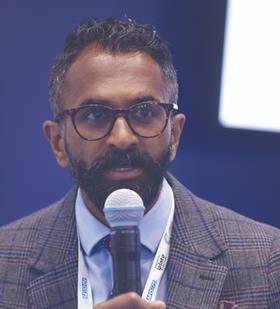
Mr Anandaciva has worked for The King’s Fund since 2017, establishing a reputation for cool-headed analysis which is still bitingly insightful and never lets politicians off the hook. He has led The King’s Fund’s work on NHS funding, finances, productivity, and performance, and is an accomplished media performer.
Since 2025, he has also been a Barts Health Trust’s associate non-executive director.
Mr Anandaciva was previously head of analysis at NHS Providers and has also worked on medicines policy and urgent and emergency care at DHSC.
Louise Ansari, non-executive director, NHS England
Ms Ansari is the former chief executive of Healthwatch England – scheduled to disappear under the government’s ongoing reorganisation – and is passionate about the public voice making a difference in health policy and tackling health inequalities. She is NHSE’s people committee’s chair.
She has also been a non-executive at Sussex ICB and Sussex Partnership FT. Her background is in campaigning and communications, and her career has ranged from campaigns against racism in football to a senior communications role at the Council of Europe. She also spent five years at Diabetes UK, ending up as director of prevention of type 2 diabetes.
Junaid Bajwa, board adviser on digital and technology, NHS England
Many people won’t have heard of Dr Bajwa, but he is likely to affect all their lives as the NHS increasingly adopts digital and technological solutions to some of its thorniest problems. He is a powerful voice in the debate over what health technology can do for the NHS.
Dr Bajwa is a senior partner at Flagship Pioneering, as well as being a practising GP in London, and holding a series of non-executive roles, including at University College London Hospitals FT, where he is senior independent director.
He is also an MHRA board member.
Titilola Banjoko, NHS manager and leader in African development
Ms Banjoko has been deputy chief integration and primary care officer, as well as director of joint commissioning, at Sussex ICB, but she is also passionate about advancing the cause of African development.
She is a Royal African Society council member, and chairs several organisations involved in development, as well as being a Global Health Partnerships trustee. She has also founded organisations aimed at harnessing human resources and social capacity in Africa.
Her NHS career has included roles in London and in clinical commissioning groups in Sussex.
Birju Bartoli, chief executive, Northumbria Healthcare Foundation Trust
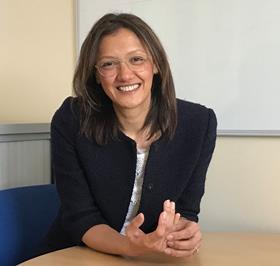
Ms Bartoli has been Northumbria’s chief executive since January 2024, having worked at the trust for 20 years. She is a scientist by background but had several different operational and corporate roles after joining as a management trainee in 2003. She was HSJ’s top CEO in 2026 and runs a trust ranked as “outstanding” by the CQC and widely seen as an innovator, with Ms Bartoli playing an important part in the Northumbria model’s development.
She is committed to hearing the patient and staff voice, as well as promoting racial equality in the organisation.
Avey Bhatia, chief nurse, Guy’s and St Thomas’ Foundation Trust
Ms Bhatia has worked at GSTT for six years – and trained there as a critical care nurse early in her career – but previously held chief nurse positions at St George’s and Maidstone and Tunbridge Wells trusts.
She also holds several voluntary sector positions, including Florence Nightingale Foundation president. Last year, she was appointed professor of the practice of nursing at King’s College London.
Ms Bhatia qualified in 1991, and her clinical experience includes theatres, coronary care, and general and cardiothoracic intensive care nursing.
Ayub Bhayat, chief data and analytics officer, NHS England
Mr Bhayat has worked his way through NHS data and analytics jobs for the past 20 years before taking on his current influential role. He previously worked in Leicestershire’s health informatics service before moving to commissioning support units and, finally, NHSE in 2021.
He was involved in developing the data infrastructure for the covid vaccination programme and went on to take responsibility for the procurement of the federated data platform and now the plans for a single patient record. Outcomes for patients have remained at the heart of what he does.
Karen Bonner, chief nursing officer, NHS England London region
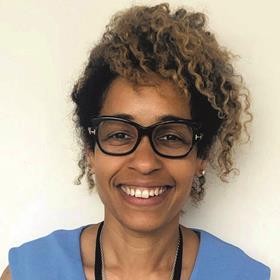
Ms Bonner has been the capital’s chief nurse since 2024, after a period working as chief nurse at Buckinghamshire Healthcare Trust.
Her leadership potential was recognised early on, and she completed both the NHS Leadership Academy senior leaders’ course and the Nye Bevan programme. She also sat on the NHS Workforce Race Equality Standard’s strategic advisory group.
She is a Prostate Cancer UK trustee and has campaigned for better awareness of the disease among Black communities following her father’s death.
Arun Chopra, chief inspector of mental health, Care Quality Commission
Dr Chopra had barely started his CQC chief inspector role in 2025 when the chief executive’s resignation saw him step into the top job as interim. He is a renowned psychiatrist who has received the president’s medal from the Royal College of Psychiatrists for his significant contribution to improving the lives of people with mental illness.
Before joining the CQC, he was medical director of the Mental Welfare Commission for Scotland and has worked in adult community and inpatient settings in England, Scotland, and New Zealand.
Lord Ara Darzi, peer and healthcare innovator
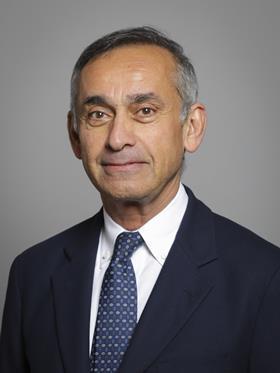
Lord Darzi’s analysis of the NHS’s troubles continues to shape politicians’ understanding of the service and will continue to influence how it develops.
Lord Darzi, who was a health minister under Gordon Brown but now sits as an independent peer, has completed several reviews of the NHS, most recently in 2024. He is a renowned surgeon who pioneered minimally invasive and robot-assisted treatments. He is co-director of the Institute of Global Health Innovation and holds the Paul Hamlyn chair of surgery at Imperial College London and the Institute of Cancer Research. He is of Armenian heritage and has run training courses for doctors in Armenia.
Subodh Dave, president, Royal College of Psychiatrists
Professor Dave has been dean of the Royal College since 2021 and was elected as president earlier this year. He is a consultant liaison psychiatrist at Derbyshire Healthcare FT and a professor at the University of Greater Manchester. He has carried out voluntary work with psychiatrists in Zambia.
He is also a trustee of Doctors in Distress, where he champions suicide prevention.
Professor Dave has said he wants to see the college’s work translate into improvements for patients and making psychiatry a fulfilling profession.
Salman Desai, chief executive, North West Ambulance Service Trust
Mr Desai became the first ethnic minority CEO of an English ambulance trust when he took up the NWAS post in early 2025, having been acting chief executive since the previous October. He started in the ambulance service as a trainee paramedic in 1997 and moved into managerial roles in the 2000s. He joined the NWAS board in 2016.
He has worked to improve equality, diversity, and inclusion within the service. His career has included time in the acute sector and the wider public sector, where he worked on preventing death from drug use among Greater Manchester’s marginalised communities.
Jacqui Dyer, mental health equalities adviser, NHS England
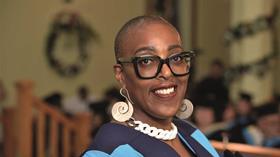
Ms Dyer is both the mental health equalities adviser and chair of an advancing mental health equalities taskforce at NHSE. She comes with the perspective of someone who has worked with vulnerable care groups and grassroots community empowerment. She is also a mental health user and carer.
This multifaceted knowledge has led her to sit on ministerial advisory groups and co-chair the “Thrive London” group set up by the mayor. She is also an elected councillor in Lambeth and the chair of Lambeth’s Black Thrive, which focuses on mental health and wellbeing for Black people.
Kevin Fenton, London regional director of public health
Dr Fenton is one of the UK’s leading public health doctors, with his current role combining tackling the capital’s health issues and advising the government on HIV. He has been involved in implementing the bold HIV reduction action plan.
He has also worked in the US at the Centres for Disease Control and Prevention, mainly on sexually transmitted diseases, and at Southwark Council and Public Health England, where he was national director for health and wellbeing. He is an NHS Race and Health Observatory board member, past president of the Faculty of Public Health, and holds honorary professorships.
G – O
Dame Marie Gabriel, former chair, NHS Race and Health Observatory
Dame Marie has sat on NHS organisations’ boards for more than 20 years and is currently North East London ICB’s chair. She was also a commissioner on the Institute for Public Policy Research’s commission into health and prosperity, which completed its work last year. Up until this summer, she was NHS RHO chair.
She has chaired East London FT as well as health commissioning organisations and the NHS London people board. She has written about experiencing discrimination from a young age and her father telling her that, as a Black woman, she would have to try twice as hard.
Joydeep Grover, chair, British Association of Physicians of Indian Origin
Dr Grover works as a consultant in emergency medicine in Bristol, as well as chairing BAPIO.
He is Medical Defence Shield’s medical director, and a member of the GMC’s BME forum. He is also a founding member of the World Academic Council of Emergency Medicine and has a particular interest in clinical governance and patient safety, as well as training young doctors.
He has argued that medical exams still disadvantage non-white doctors with a “cultural issue” in how they are structured that affects both international medical graduates and those from non-white backgrounds in the UK.
Surbhi Gupta, head of software and AI medical devices, NHS England
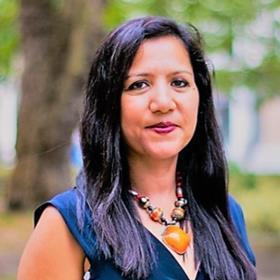
Using and regulating digital and AI products are crucial topics for the NHS going forward. Ms Gupta is the NHSE lead on these, including 111 Online, Pathways (used by ambulance trusts) and many more. She has worked for NHSE for three years and was previously on the National Institute for Health and Care Research’s funding panel and worked as head of regulatory affairs for a digital health company.
Her background, however, is as a scientist with a PhD in biophysics, and she did her postdoc research with Cancer Research UK, where she worked on commercialising oncology discoveries.
Ravi Gurumurthy, board member, NHS England, and chief executive, Nesta
Mr Gurumurthy joined NHSE as a non-executive last year and is also the Department for Energy Security and Net Zero’s lead non-executive. He is the CEO of Nesta, the UK’s innovation foundation and heads the behavioural insights team – also known as the “nudge unit” – which started as a small team in 10 Downing Street and is now a 250-person-strong subsidiary of Nesta.
He was an adviser to David Miliband when he was foreign secretary and then worked at the International Rescue Committee, designing new products and services for people affected by crises.
Sabina Hafesji, chair, NHS Muslim Women’s Network
Ms Hafesji co-founded and chairs the NHS Muslim Women’s Network, which was set up in 2020 to support those working in the health and care sector and to reduce inequalities. It provides a safe space to raise concerns, offers networking and support, and contributes to policy discussions.
She is a senior manager at NHSE, working across integrated care board and provider policy on projects such as the model ICB and strategic commissioning. She previously worked as a senior policy adviser for NHS Confederation and for the CQC, including in mental health regulation.
Paulette Hamilton, Labour MP
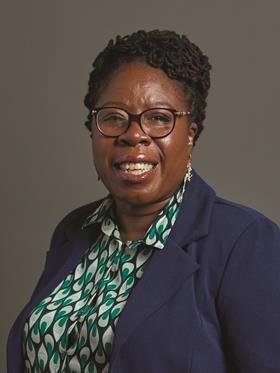
Ms Hamilton, Birmingham Erdington’s MP since 2022, is an active member of the health and social care select committee, stepping in to chair while Layla Moran was on maternity leave. She is also a vociferous questioner of ministers on health and care matters.
She worked as a nurse for 25 years, including a spell as a regional development officer for the Royal College of Nursing, and is a former Birmingham city councillor, where she was the cabinet minister with responsibility for health and social care. Before Andy Burnham became prime minister, she warned of the dangers of “hand[ing] the keys of number 10 to Reform” unless Labour made changes.
Adrian Hayter, chief medical officer, National Institute for Health and Care Excellence
Dr Hayter has been a GP partner for 30 years but has combined this with leadership roles, most recently joining NICE as chief medical officer. He will play a leading role as NICE extends its technology appraisal process to healthcare and speeds up access to medicines through working with the MHRA.
He has chaired a clinical commissioning group, was NHSE’s national clinical director for older people and person-centred care, and RCGP’s medical director for clinical policy. He also leads medics supporting pilgrims visiting Lourdes.
Sarah Hughes, chief executive, Mind
Ms Hughes has worked in mental health and social justice for 36 years, after studying social work at Hull University. She has been involved with Mind for much of that time and was chief executive of the Cambridgeshire, Peterborough, and South Lincolnshire branch for 12 years. She has spoken out about how statutory bodies underfund contracts won by charities, forcing them to use other funds to subsidise the work.
Her work has included leading the Centre for Mental Health and holding board roles in several other organisations. She has a doctorate on women and leadership.
Waqar Iqbal, chief adviser and director of delivery, NHS England
Mr Iqbal has worked for NHSE for two years, initially as chief of staff and now as chief adviser and director of delivery. It has been a meteoric rise for him as he was previously an associate director at Barts Healthcare Trust – a place he described as “home” because it was where he and his siblings were born and where his parents received care.
He qualified and worked as a pharmacist before a brief stint at consultants EY. Since then, he has worked at a clinical commissioning group and then at acute trusts in London. In the last few years, he has gained an MBA from Ashridge, the international business school.
Jacynth Ivey, non-executive director, University Hospitals Birmingham Foundation Trust
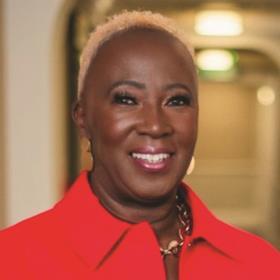
Ms Ivey chairs the people and culture committee at one of the country’s largest trusts and has also been a senior independent director at Birmingham Community Healthcare FT. She has acted as sponsor for the Black, Asian, and minority ethnic staff networks.
She trained as a nurse, midwife, and health visitor – she was the first Black director of nursing in the West Midlands – and has more than 30 years’ experience of working as a senior leader.
Ms Ivey is also an award-winning transformation coach who has written a book on leadership. She is managing director of Inspiring Hope, which works on diversity in the workplace.
Sojan Joseph, Labour MP
Mr Joseph, a former head of nursing for community mental health services at what is now Kent and Medway Mental Health Trust, has been Ashford’s MP since 2024. He was previously a local councillor.
He has been particularly active on healthcare issues in the Commons and chairs all-party Parliamentary groups on adult social care, global tuberculosis, and mental health. The social care APPG may yet play a part in the prime minister’s drive for sustainable cross-party solutions to the issue. As well as Parliamentarians, the APPG includes people with lived experience and organisations involved in provision.
Jinjer Kandola, chief executive, North London Foundation Trust
Ms Kandola led two mental health trusts – Camden and Islington FT and Barnet, Enfield and Haringey Mental Health Trust – through a merger to form North London FT less than two years ago. She had been BEH’s CEO since 2018 and Camden and Islington’s CEO since 2021.
Previously, she worked at Hertfordshire Partnership University FT in workforce and organisational development. She is a member of NHS Employers’ policy board, the West and North London ICB and the University College London Partners Board. She also chairs the Cavendish Square Group, which is a collective voice for mental health services across London.
Sir Sadiq Khan, mayor of London
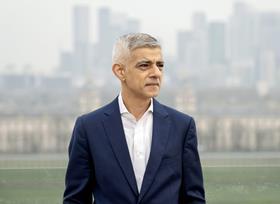
As mayor, Sir Sadiq plays a leading role in promoting public health in London through his steadfast support for reducing emissions and promoting cycling routes. He has called air pollution “the biggest public health emergency of a generation” and has introduced an ultra-low-emission zone – where drivers of the most polluting cars are charged – which now covers all of Greater London.
He was Labour MP for Tooting from 2005 to 2016 and previously worked as a solicitor specialising in human rights law. His father was a bus driver.
Nik Khashu, chief executive, North Cheshire and Mersey Foundation Trust
Mr Khashu has led the newly formed North Cheshire and Mersey FT since this April, after being chief executive of Warrington and Halton Hospitals FT and Bridgewater Community Healthcare FT – the two trusts which merged to create the new organisation – since 2024.
He has a finance background and has worked at NHSE, as deputy chief finance officer, and at several trusts in the North West. He joined the NHS through the graduate training scheme after completing university and has lived in Warrington for more than 20 years.
Kamlesh Khunti, leading diabetes researcher
Professor Khunti is one of the world’s top researchers into type 2 diabetes. He has won numerous awards nationally and internationally for his work, which includes looking at how diabetes impacts people from ethnic minorities. His work for the Scientific Advisory Group for Emergencies was particularly important during the pandemic.
He is professor of primary care diabetes and vascular medicine at the University of Leicester and is director of the Centre for Ethnic Health Research. He has published more than 1,100 peer-reviewed articles and is an honorary visiting professor at the University of Melbourne.
May Mengyu Li, director of efficiency, NHS England
Ms Li has worked at NHSE for more than five years – initially as deputy director of strategy – after spending time with consulting firms PwC and Carnall Farrar. She has qualifications in international public policy and in journalism and media studies.
With the NHS under scrutiny like never before, she has a challenging task in turning round what is perceived as a fall in productivity in the pandemic that has yet to be wholly reversed. She has led national productivity programmes and major change programmes – and, thankfully, productivity is now showing some signs of improving.
Kamran Mallick, chief executive, Disability Rights UK
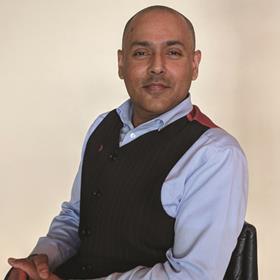
Mr Mallick has led Disability Rights UK for the best part of a decade after moving from Action on Disability. He has also worked for the spinal injury charity Aspire and run his own training and consultancy business.
He has been involved in several charity roles, including as chair for Wheels for Wellbeing, which promotes inclusive cycling. He is a wheelchair user, having contracted polio as a child, and is passionate about improving life opportunities for younger disabled people.
Pushpinder Singh Mangat, medical director and director of education and standards, General Medical Council
Dr Mangat was the deputy chief medical officer in Wales until he took up his GMC role last year. In Wales, he focused on medical education and led on areas such as the infected blood inquiry response and implementing the new death certification processes.
He trained in anaesthesia and intensive care medicine in several sites in Wales, as well as Birmingham and Cambridge, before taking up senior clinical management roles. He was the first medical director of Health Education and Improvement in Wales, where he led on developing the postgraduate medical deanery, and is an honorary professor at Swansea University.
Karl Munslow Ong, chief executive, Great Ormond Street Hospital for Children Foundation Trust
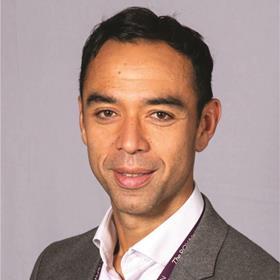
Mr Munslow Ong joined GOSH this year after a stint as Royal Marsden FT’s deputy chief executive, where he worked closely with GOSH on paediatric services. His experience at the Royal Marsden FT will stand him in good stead as he leads an organisation with an international reputation, significant private work, and world-renowned clinicians.
He has held senior posts at several other London trusts and is a graduate of the NHS London Next Generation Directors Development Programme.
Meera Nair, chief people officer, Manchester University Foundation Trust
Ms Nair is a leading chief people officer who held senior roles at various trusts and other NHS organisations in London before moving to Manchester, where she holds an important role at one of the country’s largest providers.
She has also been a Royal College of Psychiatrists lay trustee and chairs a women’s counselling service. She has been an advocate for recognising the importance of diversity and inclusion in NHS organisations and her former trust – Lewisham and Greenwich Trust – won a major award recognising its work in this field in 2023.
Habib Naqvi, chief executive, NHS Race and Health Observatory
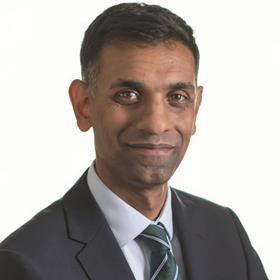
Mr Naqvi has led the NHS RHO since it was set up and is a former director of NHSE’s workforce race equality standard. He is also a member of DHSC’s national maternity and neonatal taskforce, an expert member of the national commission on the regulation of AI, and has made significant contributions to embedding equity into national health policy.
He has led the NHS RHO’s work to prominence, drawing on both national and international examples to tackle racial inequalities in all spheres of healthcare. He is an honorary visiting professor of health equity at the University of Greater Manchester Medical School and is chair of the Sir Clive Lloyd Healthcare Foundation.
Acosia Nyanin, deputy chief nursing officer, NHS England
Ms Nyanin is NHSE’s most senior nurse from a BAME background. Her career includes working as a regional chief nurse, a trust chief nurse, and regional head of inspection at the CQC. She is a Macmillan Cancer Support trustee.
Ms Nyanin is a registered mental health nurse who started her career as a healthcare support worker. She has written about the pandemic’s psychological impact and advocates for supporting good mental health for NHS staff.
Ify Okocha, chief executive, Oxleas Foundation Trust
Dr Okocha has led Oxleas FT since 2021 and is known as a patient- and family-focused clinician with 30 years of experience in London’s health services. He is an award-winning psychiatrist who has researched psychosis and psychopharmacology and is on the Royal College of Psychiatrists’ roll of honour.
He was the trust’s medical director and deputy chief executive before being appointed chief executive. He has prioritised clinical leadership within the south east London trust but has also worked to engage clinicians in understanding where the organisation is heading and how they can help it get there.
Wendy Olayiwola, national maternity lead for equality, NHS England
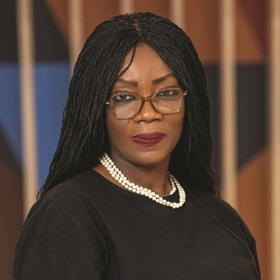
Ms Olayiwola holds an important portfolio, with the Amos review recently highlighting the poorer experience and outcomes of Black and Asian mothers and babies. She has been a nurse and midwife for more than 20 years, including senior posts at Barts Health Trust in London, and is also a motivational speaker.
She is passionate about empowering staff to provide holistic and culturally appropriate care to women and families. She is president of the Nigeria Nurses Charitable Association UK and has sat on the NHS RHO’s maternal and neonatal health working group.
Toli Onon, chief inspector of hospitals, Care Quality Commission
Miss Onon joined the CQC in 2025 from Manchester University FT, where she was joint medical director.
She is a consultant obstetrician and gynaecologist who has spent nearly 35 years working in NHS hospitals and has had key roles in overseeing patient safety and quality improvement initiatives.
Her appointment marked a realignment of the CQC’s inspection teams around clinical expertise. It has been a tough start to the job, with upheavals within the organisation and the need to rebuild confidence in inspection reports, but Miss Onon seems up for the challenge.
Nnenna Osuji, chief executive, North East London Integrated Care Board
Dr Osuji recently moved to the ICB after running North Middlesex University Hospital and community services – part of the Royal Free London FT.
She is a haematologist by background and continues to practise, and was previously deputy chief executive at Croydon Health Services Trust, where she worked as a consultant. She has co-chaired the London People Board, and its equality, diversity, and inclusion steering group, and was an associate lecturer on the Mary Seacole programme. She has spoken of the importance of having a moral compass and knowing where she will not go.
Danielle Oum, chair, Birmingham, Black Country and Solihull Integrated Care Board
Ms Oum took up her role as the ICBs clustered last year, having previously been Coventry and Warwickshire ICB chair for more than three years. She was a Healthwatch England non-executive director and Birmingham and Solihull Mental Health FT chair.
She has worked at several NHS organisations in the West Midlands, as well as at the Department for Work and Pensions and the Learning and Skills Council. She is also actively involved in the voluntary and social enterprise sector, including as chair of East Midlands Homes and Tuntum Housing Association, and was a Coventry University advisory board member.
Bola Owolabi, chief inspector of primary care and community services, Care Quality Commission
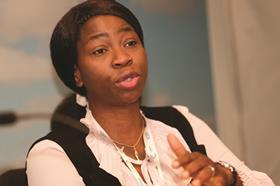
Dr Owolabi joined the CQC last year after combining her role as NHSE’s director of the national healthcare inequalities improvement programme with working as a GP in the Midlands.
At NHSE, she led on the Core20PLUS5 approach to tackling health inequalities – which allowed areas to identify and work with underserved groups and prioritised five clinical areas for improvement. She is an honorary professor at the University of Birmingham. She was inspired to study medicine after being admitted to hospital with chickenpox as a child and recalls the female doctor who treated her as “the loveliest, kindest human being”.
P – Z
Meghana Pandit, chief executive, Oxford University Hospitals Foundation Trust
Ms Pandit has been NHSE’s interim deputy chief executive and interim medical director during its transition to DHSC but has been working part-time in her role as OUH’s chief executive since April, returning full-time in October. She is also leading the area’s acute provider collaborative.
She was appointed OUH’s chief executive in 2022, having joined the trust as chief medical officer in 2019, and had previously been University Hospitals Coventry and Warwickshire FT’s chief medical officer and deputy chief executive. She trained as a consultant obstetrician and gynaecologist. She is a fellow of Exeter College, Oxford, a board member at Oxford Academic Health Partners, and an honorary professor at Warwick University.
Kiran Patel, chief medical officer, University Hospitals Birmingham Foundation Trust
Dr Patel is known as one of the NHS’s most forward-thinking medical directors, with extensive experience in transformative change. He is also a consultant cardiologist at UHB, where he has worked since 2024.
Before this, he was chief medical officer and deputy chief executive at University Hospitals Coventry and Warwickshire FT and was also medical director for NHSE in the West Midlands for six years. He is chair of trustees for the South Asian Health Foundation charity, which he established, and is a mentor for the Social Mobility Foundation, working with young people from deprived communities. He is an honorary professor at both Warwick and Coventry universities.
Mahendra Patel, director, Centre for Research Equity, Nuffield Department of Primary Care Health Sciences, Oxford University
Professor Patel pioneered inclusive recruitment to covid trials during the pandemic, which led to the creation of the Centre for Research Equity, where he is founding director. The centre works with partners to advance equitable participation in research. He is also vice president and chair of the Royal College of Pharmacy’s English Pharmacy Advisory Council.
He is an adjunct professor of pharmacy at Wilkes University in the US, where he developed a student exchange programme with Huddersfield University and has been a pharmacy research champion for the National Institute of Health Research’s clinical research network.
Mumtaz Patel, president, Royal College of Physicians
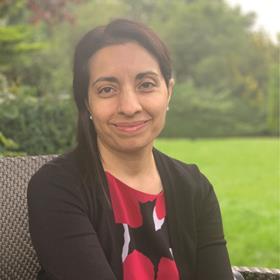
Dr Patel has had the task of leading the RCP out of a difficult period following the previous president’s resignation after a row over how the college approached physician associates.
She has served in several RCP roles, including as global vice president. She launched the RCP’s Global Women Leaders Programme to help female doctors into leadership positions.
She is a nephrology consultant in Manchester and is also director of progress and conduct at the University of Liverpool School of Medicine. Until last year, she was also postgraduate associate dean in the North West.
Rakesh Patel, deputy chief executive and chief finance officer, London Ambulance Service Trust
Mr Patel has more than 35 years’ NHS experience and has worked across acute care, mental health, and now ambulance services, after joining as a band 3. He led the financial case for a new hospital for Epsom and St Helier University Hospital Trust, where he previously worked.
He joined LAS five years ago. He has worked with local commissioners to improve services and has negotiated the service’s path through tricky but important areas, such as compliance with London’s low and ultra-low-emission zones.
Therese Patten, chief executive, Bradford District Care Trust
Ms Patten has worked for the NHS for more than 25 years but before that spent nine years working in health development in Zimbabwe, Somaliland, and Pakistan. She joined the Bradford trust in 2020 from Southport and Ormskirk Hospital Trust, where she was deputy chief executive and director of strategy.
Ms Patten sits on the West Yorkshire ICB. She is the area’s neurodiversity champion, and has called for leaders in the health sector to be “visible and authentic and lead from whatever seat you are in… Powerful leadership is about enabling others, fostering collaboration, and championing diversity”.
Helga Pile, head of health, Unison
Ms Pile may have had a slightly quieter time recently, with fewer national strikes affecting her members, but her work never stops. Unison is still pressing on pay and job losses across the health sector, as well as several smaller individual disputes. She co-chairs the Social Partnership Forum of unions and employers, which will play an increasingly important role across workforce policy in the next year.
Ms Pile is often the public face of Unison in these battles. She has worked for the union for 20 years, first as a national officer and then as deputy head of health before moving to her current role three years ago. She has previously worked for the GMB, the Low Pay Unit, and Incomes Data Services after graduating from Cambridge with an English degree.
Munir Pirmohamed, chair in pharmacogenetics, Liverpool University
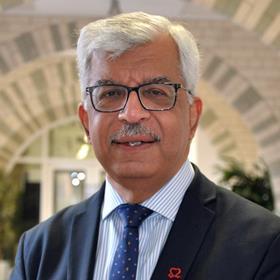
Professor Sir Munir Pirmohamed is a leading clinician and researcher who is the director of the Centre for Drug Safety Sciences and director of the Wolfson Centre for Personalised Medicine at Liverpool. He is also a consultant physician at the Royal Liverpool University Hospital. Much of his work has focused on personalised medicine as well as drug safety.
He joined the NHSE board as a non-executive in 2019, leaving in 2023, and was Association of Physicians president until 2025. He has also served as British Pharmacological Society president.
Paul Rees, chief executive and registrar, Nursing and Midwifery Council
Mr Rees has had the unenviable task of reforming the NMC after a series of resignations and scandals forced it to rethink its culture and regulatory performance. He was appointed as interim in early 2025 and confirmed in the permanent role six months later.
He joined the NMC from the National Pharmacy Association and has also worked for the Royal College of Psychiatrists and the Royal College of General Practitioners. Within weeks of joining the NMC, it had produced a culture transformation plan with a strong emphasis on equity, diversity, and inclusion.
Yvonne Richards, chair, Managers in Partnership
Ms Richards has worked for NHSE for more than eight years, currently as a Getting It Right First Time community health improvement adviser. She has been chairing MiP’s national committee since January and had been vice chair for two years before that. She has also worked for commissioning organisations in the West Midlands.
She has written about her personal experience of racism in the NHS and how, as a younger woman, she was ostracised and told she would never work in the NHS again for raising concerns about racist behaviour. She has urged white colleagues to educate themselves about the experience of Black workers in the NHS.
Terry Roberts, chief people officer, Oxford University Hospitals Foundation Trust
Mr Roberts is the current Healthcare People Management Association chair as well as his OUH role.
HPMA awarded him HR director of the year in 2023, while he was voted one of the most influential HR practitioners for the HR Excellence Awards in the same year. He has also been co-chair of the NHS People Profession Board, focused on developing the 20,000 people working in these roles across the NHS.
Mr Roberts was briefly seconded to NHSE as joint director of equality and inclusion in 2022. Before joining OUH in 2020, he held several senior positions at other trusts.
Steve Russell, chief executive, County Durham and Darlington Foundation Trust
Mr Russell took on the challenging job of running County Durham and Darlington FT just over a year ago. The trust has been at the centre of a breast cancer scandal, and the CQC downgraded its leadership from “good” to “inadequate” after an inspection shortly after he started.
He moved there from NHSE, where he was chief delivery officer and national director for vaccination and screening.
Mr Russell has worked in the NHS for close to 30 years, starting as a management trainee and then moving into operational jobs before becoming the London regional managing director for NHS Improvement. He also led Harrogate and District FT.
Bas Sadiq, chief executive, Homerton Healthcare Foundation Trust
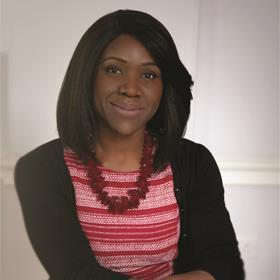
Ms Sadiq has run Homerton Healthcare FT since 2024 and was deputy chief executive for a year before that. She moved there from Dartford and Gravesham Trust, where she was chief improvement and strategy officer, but has worked in several acute trusts across London.
She has promoted Homerton’s role as a “community anchor” and the importance of relationships in building a better and more equal health service, which makes a difference to local residents’ health and wellbeing – many of whom may not have had equal access to health and social care before.
Cheryl Samuels, director of people and culture, Evelina Hospital, London
Ms Samuels has been in her present job at the Evelina – part of Guy’s and St Thomas’ FT – since 2023 after a period as NHSE’s deputy director of workforce transformation and national health and wellbeing lead. She has also worked in acute and mental health trusts in London.
She has more than 20 years’ experience working in HR in the NHS and is a co-founder of #InclusiveHR, a national social movement tackling racial inequality within the HR and organisational development professions. She is also National Association of Medical People Specialists president.
Lena Samuels, chair, Hampshire and the Isle of Wight Integrated Care Board and North London Foundation Trust
Ms Samuels is an experienced NHS chair and non-executive – including previously chairing South Central Ambulance Service FT – and is also chair of the NHS South East regional people board, as well as a deputy lieutenant in Hampshire.
In North London, she led a partnership of two mental health trusts through a merger.
Outside of her NHS work, she runs a company providing communications and training in media, governance, and human rights, and has also been a presenter and producer on local radio.
Sajan Sathyan, deputy chief nursing officer, Airedale Foundation Trust, and founder, Alliance of Senior Kerala Nurses
Mr Sathyan has worked in the NHS since 2009 across several roles, including as director of advanced practice at Sandwell and West Birmingham Trust. He has advocated for international nurses, including the 700 in West Yorkshire from Kerala in South India.
He founded the Alliance of Senior Kerala Nurses to address the challenges Keralan nurses can face in the UK – including as they make the transition to working in a different healthcare system – and to allow them to connect and collaborate in a supportive environment.
Sim Scavazza, vice chair, Imperial College Healthcare Trust
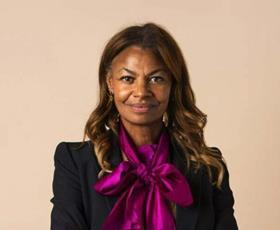
Ms Scavazza has held many non-executive roles, including several in the NHS. She has been Imperial College Healthcare Trust’s vice chair since January, having served as a non-executive there since 2020. She has also been acting chair of Buckinghamshire, Oxfordshire and Berkshire West ICB.
She is chair of the Seacole Group, which brings together Black, Asian, and minority ethnic chairs and non-executives from across the NHS. Her other roles include chairing the Office of the Independent Adjudicator for Higher Education, which handles student complaints, and she is a former deputy chair of the University of the Arts London.
Robina Shah, chair, Wrightington, Wigan and Leigh Foundation Trust
Dame Robina has led WWL since late 2025, but may be better known for her work as director of the Doubleday Centre for Patient Experience and professor of medical education, psychology, and social medicine at the University of Manchester. She has also been Northern Care Alliance FT’s interim chair and chaired Stockport FT, where she was England’s youngest NHS trust chair.
She is passionate about football, is a deputy lieutenant for Greater Manchester and is one of only 25 women publicly nominated for a 3D “living statue” to acknowledge her personal and professional achievements.
Iqbal Singh, chair, Centre for Excellence in Safety of Older People
Professor Singh founded and chairs the Centre for Excellence in Safety for Older People, which is based at the University of Greater Manchester but has support from NHS trusts across the north west.
Professor Singh is a consultant physician in older people’s medicine at the Royal Blackburn Hospital and pro vice chancellor at the Bolton School of Medicine at the University of Greater Manchester. He has also served on the GMC’s council, chairing its equality and diversity committee and co-chairing a learning review in 2022. He is a member of the Health Honours Committee, which advises on honours for New Year and Birthday Honours lists.
Swaran Singh, professor of social and community psychiatry, Warwick University
Witnessing the impact of violent trauma on children and young people caused Professor Singh to swap training as a surgeon for psychiatry. He has gone on to become a leading psychiatrist who developed the first NHS-funded early intervention in psychosis service and has influenced services for children and young people nationally and internationally. His recent work has included projects to transform mental health care in the Indian sub-continent and sub-Saharan Africa.
He is a consultant with the Coventry and Warwickshire Partnership Trust and is director of the interdisciplinary Centre for Mental Health and Wellbeing Research at Warwick University.
Richard Stubbs, chief executive, Health Innovation Yorkshire and Humber
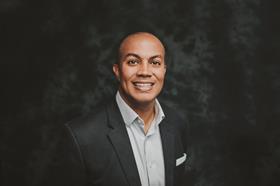
Mr Stubbs has led Health Innovation Yorkshire and Humber for more than 10 years and co-chairs a policy, governance, and financing working group for the World Health Organization in Europe. He also co-chairs the NIHR HealthTech research centre into paediatrics and child health.
He has co-authored several influential papers, including one on “health as the new wealth post-covid” and has written about how best to reduce inequalities through digital technologies. He is also an ambassador for Sheffield Hospitals charity and manages an under-13s football team in his spare time.
Lorraine Sunduza, chief executive, East London Foundation Trust
Ms Sunduza has led East London FT for the past three years, but started her working life as a nurse in adult mental health inpatient services. She has spent more than 20 years at the trust, including in forensic services and, later, as chief nurse and deputy chief executive. She has completed the Nye Bevan leadership programme.
She has described nursing as her “special power” and says she relies on her nursing training and expertise as chief executive. Nursing gives a breadth of experience in terms of patient care as well as general healthcare logistics, she argues.
Stella Vig, joint national clinical director for elective care, NHS England
Miss Vig is a consultant vascular and general surgeon at Croydon Health Services Trust who has taken on several NHSE roles over the last few years. She co-chairs committees on robotic surgery and leads on workforce and productivity. Until this July, she was deputy national medical director for secondary care.
She is also South West London ICB’s joint chief clinical transformation officer, has taken on many roles in clinical education, and has served as London clinical director for general surgery.
Jason Wong, chief dental officer, NHS England and Department of Health and Social Care
Dentistry looks likely to remain near the top of the government’s agenda, so Mr Wong’s role will be very high profile as he grapples with the challenge of providing NHS dentistry for as many people as possible. He was deputy chief dental officer until 2023, when he took over the top role, initially as an interim.
He has practised in Grantham for nearly 30 years, where he specialises in treating nervous and phobic patients and carries out dental implants. He has also been chair of various local dental networks in the Midlands.
Salma Yasmeen, chief executive, Sheffield Health Partnership University Foundation Trust
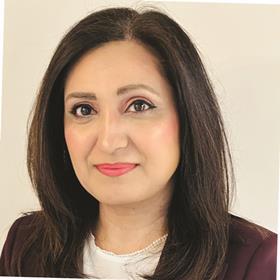
Ms Yasmeen has run Sheffield Health Partnership University FT for more than three years, having previously been deputy chief executive and director of strategy and change at South West Yorkshire Partnership FT. She has led policy work on equalities across systems in parts of London and Yorkshire. She has shown a steadfast interest in encouraging improvements in the experience of diverse professional teams in and beyond her trust.
Her work has also taken her to Saudi Arabia, where she was director of nursing services and strategic transformation for a group of hospitals, and she has also led a health charity.
Ms Yasmeen believes better health starts with stronger communities and that the best solutions are built with people, not for them.