
 Download


61
Rockville, Maryland: The inaugural South Asian American Health Summit brought healthcare professionals and policymakers together on October 10, 2026, to discuss health disparities and legislative changes affecting the state’s South Asian communities.
Hosted by the Maryland Governor’s Commission on Community Initiatives and the Commission on South Asian American Affairs, the summit centered on the theme “Voices for Vision: Empowering Care through Advocacy and Innovation.”
In his welcome address, Preet Takhar, chair of the Governor’s Commission on South Asian American Affairs, described the gathering as a “historic milestone.”
“Today, we are witnessing history in many ways. This is the first South Asian Health Summit,” he said.
Takhar said the event brought three organizations together under one roof for the first time in Maryland: the Greater Washington Association of Physicians of Indian Origin, the Association of Physicians of Pakistani Descent of North America, and the Nepalese Health Association of Maryland.
He noted that South Asians face elevated risks of heart disease and diabetes but are often grouped within a broad “Asian” category in health data and remain underrepresented in research. Language barriers and cultural stigma surrounding mental health can also discourage families from seeking care, he said. Addressing these challenges requires strong partnerships and culturally responsive care.
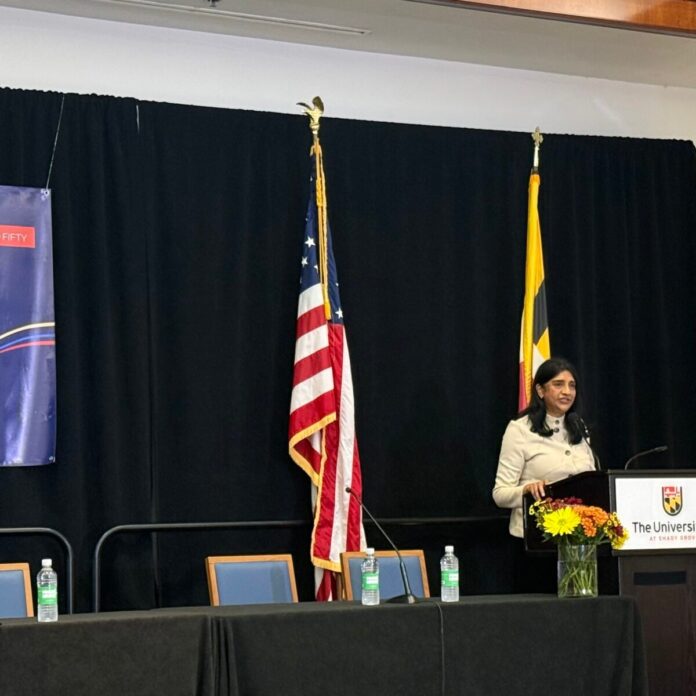
Guest of honor Lt. Gov. Aruna Miller, the first South Asian woman elected lieutenant governor in the United States, emphasized the value of collaboration.
“When you come together collectively, as you’re doing today under one roof, that makes the success of our South Asian community that much stronger,” she said.
Miller thanked participants and expressed hope that the summit would become an annual event.
She also emphasized the role of trust in healthcare, saying that while medicine is grounded in science, effective care depends on listening, understanding, and earning patients’ confidence. She asked attendees which profession Americans had ranked highest for honesty and ethical standards for 24 consecutive years, identifying nurses as an example of that trust.
Miller said healthcare professionals increasingly compete with online information and informal advice that patients encounter before seeking medical care.
“By the time a patient comes to you, they’ve already been diagnosed by a whole panel of experts: Doctor Google, Doctor TikTok, and the WhatsApp aunty. We’re surrounded by more information than at any time in human history,” she joked.
She cautioned that more screen time does not necessarily provide more reliable information and that louder voices are not always accurate.
“In a world starving for credibility, trust becomes our greatest currency. And unlike money, trust can’t be borrowed, it can’t be bought, and it can’t be demanded. It has to be earned,” Miller said.
She noted that South Asian communities encompass diverse languages and faiths, making culturally responsive care essential. She also recognized medical professionals who volunteer their time to meet increasingly complex patient needs across Maryland’s diverse population.
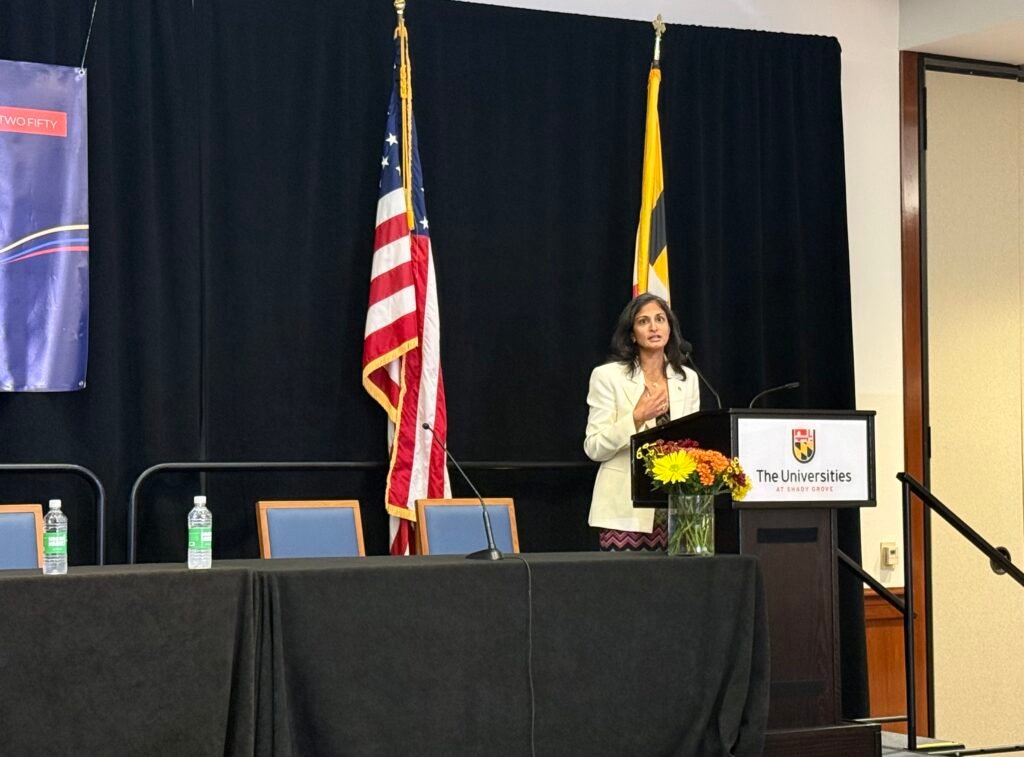
In her keynote address, Maryland Health Secretary Dr. Meena Seshamani, the first South Asian woman to lead the state’s Department of Health, discussed cardiovascular disease, diabetes, behavioral health, and the effects of stigma on South Asian communities.
“Maryland is home to one of the nation’s most dynamic health ecosystems. It’s anchored by a world-class academic medical center, a thriving life sciences corridor, and a dedicated network of community physicians and health leaders,” she said. “Under the leadership of the Moore-Miller administration, our commitment is clear. We want to foster a world-class healthcare system where every Marylander can live, grow, and thrive.”
Dr. Seshamani said Maryland’s healthcare system is undergoing a significant transition as the state responds to new federal Medicaid requirements under H.R. 1.
Maryland Medicaid covers approximately 1.5 million residents, nearly one in four Marylanders, including half of the state’s children and 40 percent of births, she said. The state’s priority is to help eligible residents retain their benefits while preventing unnecessary administrative barriers and coverage losses.
According to Dr. Seshamani, federal changes that took effect October 1 ended Medicaid coverage for approximately 4,500 immigrants living legally in Maryland. She said the state is working to connect affected residents with alternative healthcare resources.
She urged community advocates, physicians, other healthcare professionals, and employers to explain the federal changes, distribute educational materials, and help residents access resources to maintain their coverage.
Dr. Seshamani also called for greater awareness of behavioral health services and attention to factors beyond clinical care, including access to nutritious food and transportation to medical appointments.
Stronger partnerships between healthcare providers and community organizations are essential to moving from treating illness toward supporting overall health, she said. Through advocacy, clinical innovation, and collaboration across sectors, the Department of Health aims to address affordability and access while improving health equity.
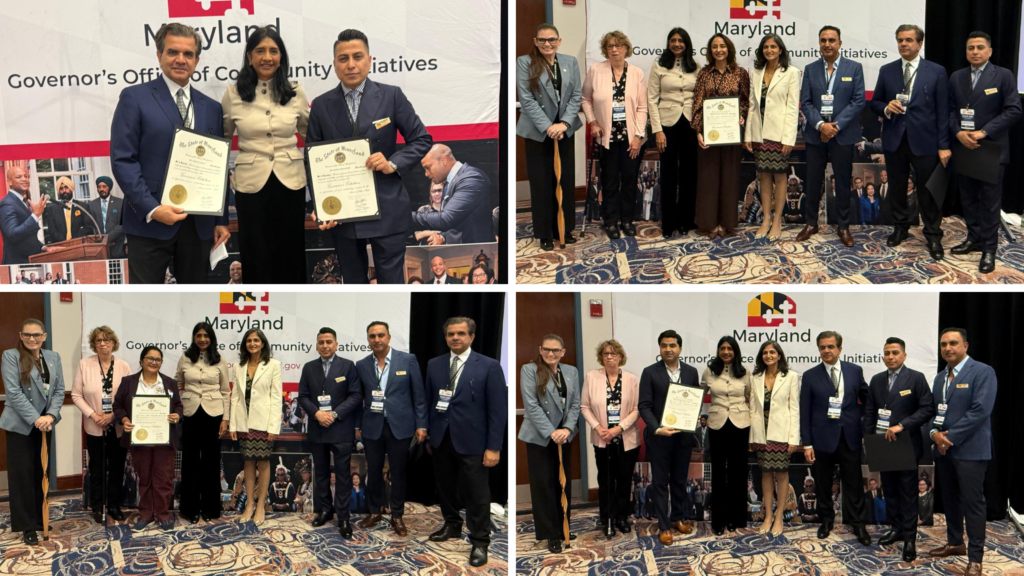
Miller and Dr. Seshamani presented Maryland Governor’s Citations to Dr. Bishal Bhandari, a commissioner and chair of the commission’s Health Committee, and Dr. Ahmed Nawaz, vice chair of the Commission on South Asian American Affairs, recognizing their contributions to healthcare in Maryland.
In his closing remarks, Dr. Bhandari described South Asian Americans as Maryland’s fastest-growing demographic group while noting their limited representation in clinical research. He said differences in cardiovascular risk, diabetes thresholds, and pharmacogenomics underscore the need for research that better reflects the community.
“For too long, the guidelines our physicians follow were written for someone else. Today, we named that. Out loud. In front of the right people,” he said. “We didn’t solve South Asian health disparities today. But we put them on the record, in this state, in this room, with the people who can do something about it. And that is where every change in medicine has always started, with the right people finally having the right conversation.”
Sanjay Rai, former secretary of the Maryland Higher Education Commission, commended the Commission on South Asian American Affairs for organizing the summit to address healthcare issues facing the state.
“South Asians play an integral role in Maryland’s health care workforce. Recognizing their contributions, listening to their experiences, and incorporating their perspectives into state policy discussions are essential to shaping a health care system that meets today’s needs and prepares for the future. As artificial intelligence, medical discoveries, and evolving policies transform health care, the voices of those who deliver care must be part of these important conversations,” Rai told South Asian Herald.
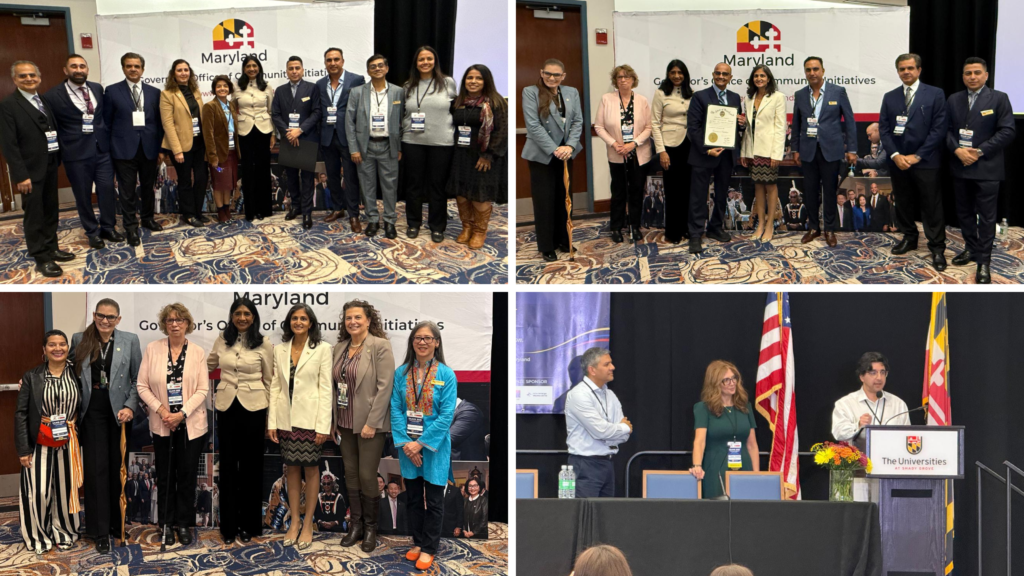
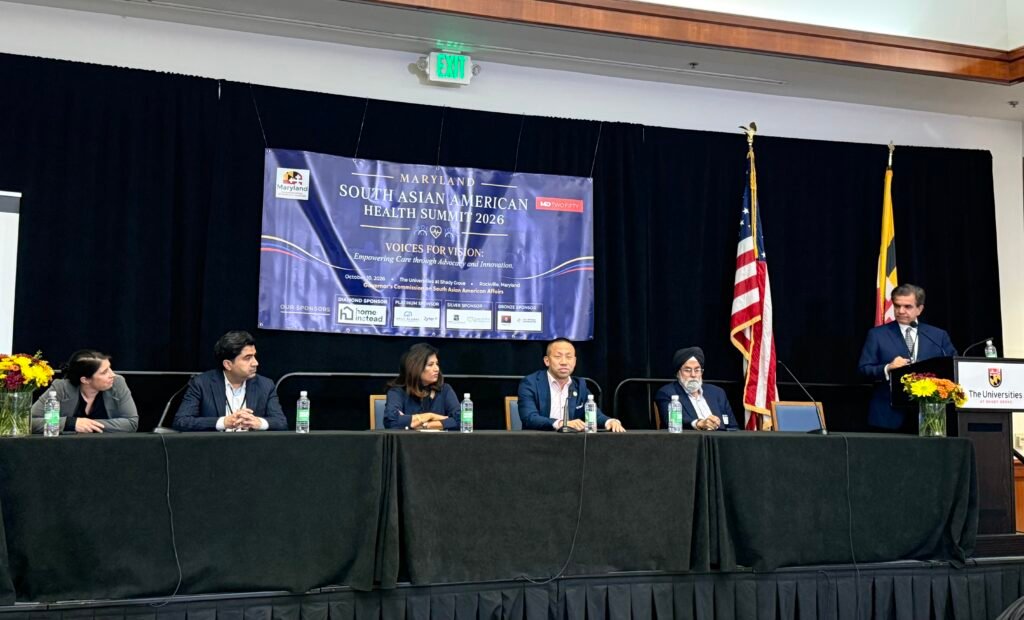
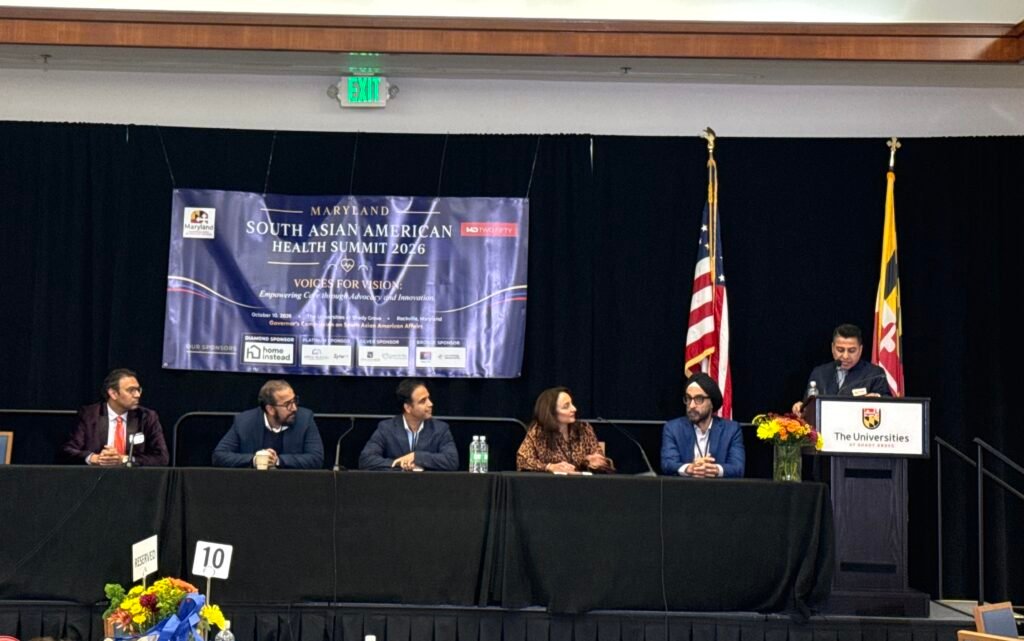
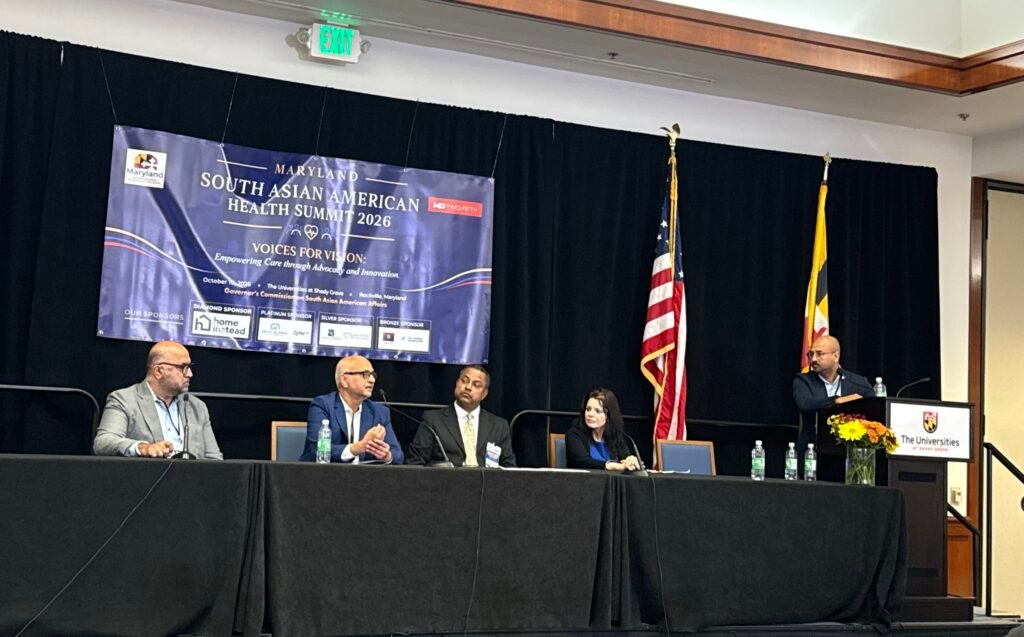
The summit also featured panel discussions on legislative and clinical advisory issues, physician efficiency, clinical integration and innovation, and clinical research and biopharmaceutical leadership. Special Secretary for Public Engagement and Community Initiatives Maria Martinez and other dignitaries also participated in the Summit.