
 Download

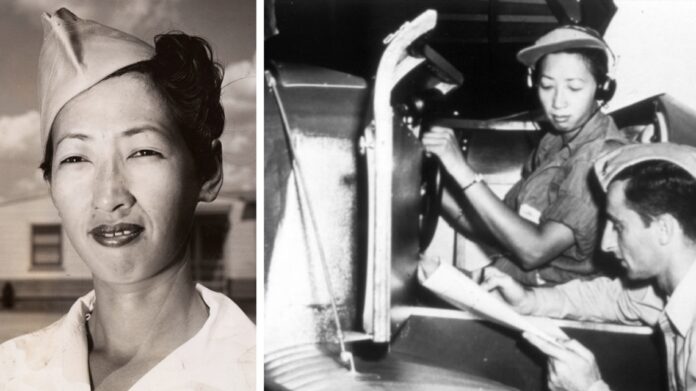

Hazel was one of only 1,074 pilots to be accepted into the Women Airforce Service Pilots program over the two years it was active during WWII.
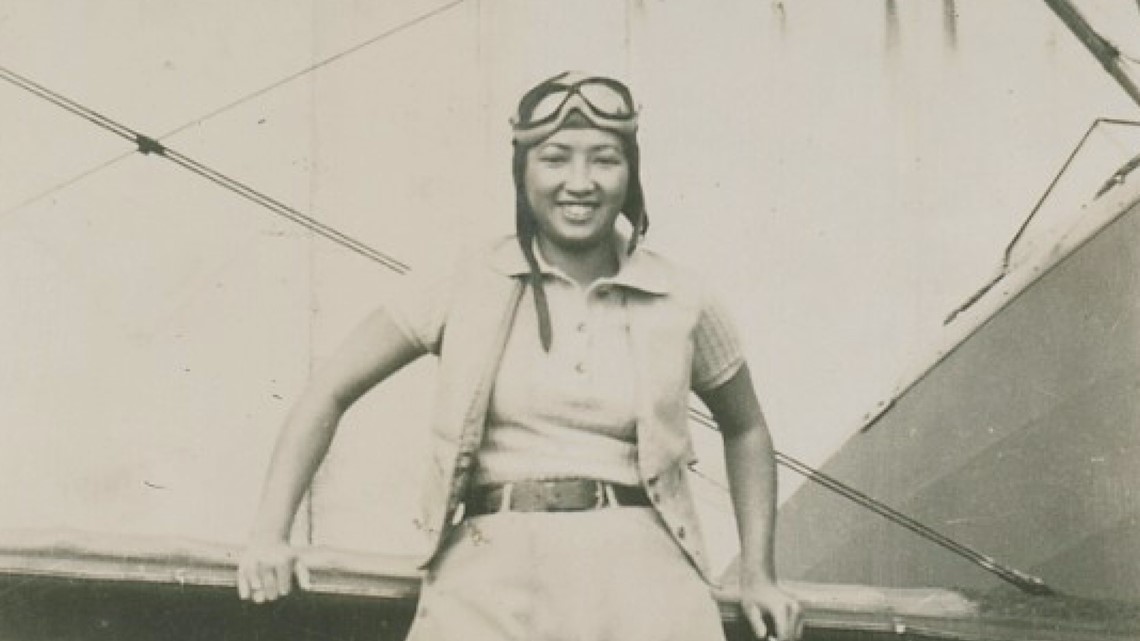
PORTLAND, Ore. — If her radiant smile didn’t give it away, her skills in the cockpit of a plane probably did. Hazel Ying Lee loved to fly. She was the first Chinese-American woman to fly for the U.S. military.
Born in Portland in 1912, Hazel took her first flight when she was 19, earning her pilot’s license in less than a year.
At the time, female pilots were few and far between. Asian female pilots were an even smaller group.
But Lee had a calling. In 1942, during World War II when many men were fighting overseas, she joined the Women Airforce Service Pilots, or WASP, program. Lee was one of only 1,074 pilots to be accepted during the two years it was active.
She and other women in the program often flew planes right off the factory floor and were the first to discover manufacturing defects if anything was wrong with the plane.
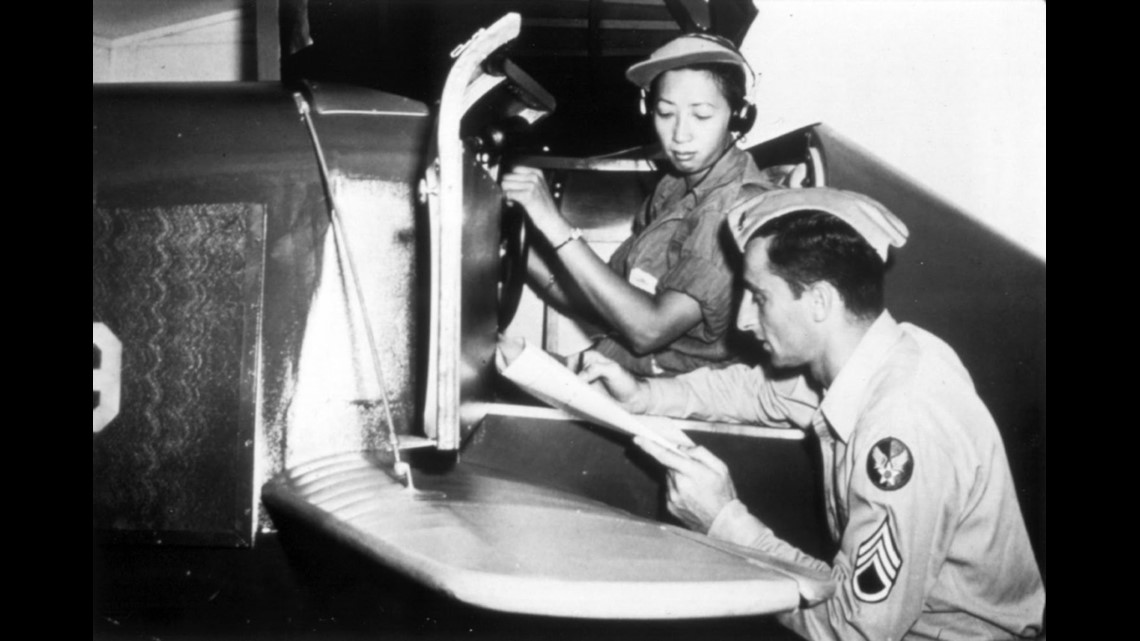
At the time, they served as civilians and weren’t considered military, though decades later, Wasps would eventually be granted veteran status.
Julie Leung wrote a book about Lee in 2021 called “The Fearless Flights of Hazel Ying Lee,” illustrated by Julie Kwon. Leung hoped to help people re-examine stereotypes associated with Asian American women and the meaning of patriotism.
“She was an incredible woman,” Leung said. “If you ever see photos of her, you can just see by her smile that she was just a vibrant human being.”

Lee served during a time period when the Chinese Exclusion Act was in full effect and when many wouldn’t have considered her an American because of discrimination.
“In a lot of people’s eyes, Chinese weren’t Americans,” Leung said. “Despite that fact she still died in service for this country. Patriotism isn’t really associated with as much as your identity as it is your ideals.”
Lee died in Montana while serving her country after a miscommunication involving a control tower. Her plane collided with another while landing. Afterward, her family was denied a spot for her in the cemetery because it was in the “whites only” section. Her family pushed back, writing a letter to then-President Franklin D. Roosevelt.
Her family succeeded and today she and her brother, Victor who also died in service to the country, are buried at Riverview Cemetery in Portland.
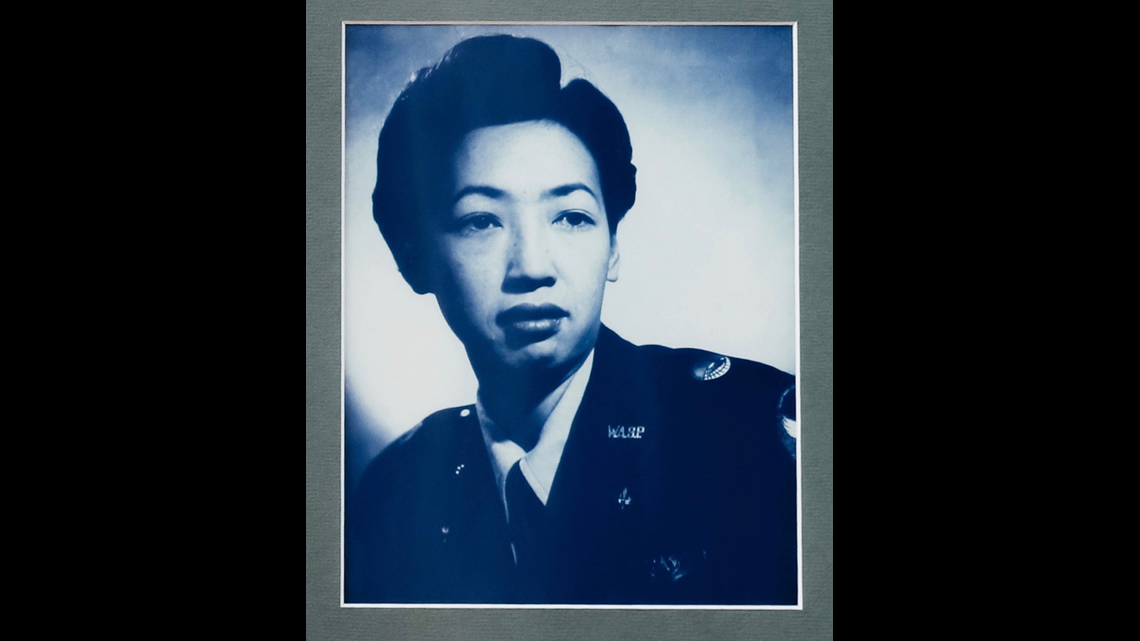
Lee’s portrait also hangs on the Wall of Honor at the Evergreen Aviation & Space Museum.

KGW’s Breaking Barriers series features Oregonians making a difference in the world of sports, arts, government, business and more. You’ll see stories throughout May featuring stories for Asian American Native Hawaiian Pacific Islander Heritage Month. You can watch them all here.
Watch: Breaking Barriers