
 Download

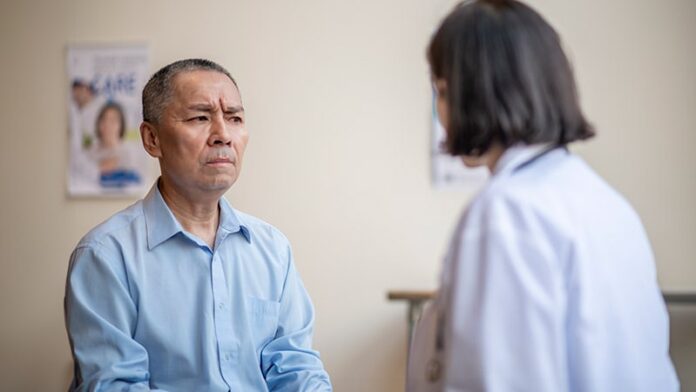

BARCELONA, Spain — Ethnic Chinese immigrants affected by cancer are a particularly vulnerable group and may face significant barriers to receiving proper diagnosis and treatment, according to preliminary results presented at the European Society of Medical Oncology 2024 conference.
The data was collected and presented by Lin Cheng, a PhD student in nursing science at the University of Glasgow, Glasgow, Scotland, who analyzed the healthcare needs, cancer experiences, and attitudes toward cancer among Chinese immigrants in Scotland. The research was supported by the China Scholarship Council.
In 2023, the Scottish government launched a 10-year cancer action plan aimed at “improving cancer survival and providing excellent, equitably accessible care for all.” However, Cheng’s research highlights unmet healthcare needs among ethnic Chinese immigrants diagnosed with cancer, with language and cultural differences being the main barriers.
“Approximately 1.7% of the Scottish population comprises ethnic Chinese immigrants. However, cancer-related health disparities in this subpopulation remain unclear,” said Cheng.
Cheng conducted a systematic review of cancer care experiences and well-being among Asian immigrants in Western countries, examining 19 qualitative, 11 quantitative, and two mixed-method studies. “The review revealed that Asian immigrant cancer survivors have significantly lower quality of life compared to Caucasians, largely due to psychological, socioeconomic, and health literacy factors,” she explained.
The review also showed that limited health knowledge and insufficient psychological and social support are critical unmet needs in this population. Major barriers to effective healthcare include inadequate English proficiency, insufficient health information, cancer stigma, and the fear of burdening family members.
Cheng supplemented her literature review with original empirical research on the experiences of Chinese immigrants. This research included an online quantitative survey completed by 22 Chinese immigrant cancer patients and 14 family members, as well as qualitative interviews with six patients and five family members.
“These preliminary data will be followed by an online focus group involving healthcare professionals experienced in caring for Chinese immigrants, along with an anonymous survey of Chinese immigrant community members in Glasgow,” she said.
Cheng’s preliminary results show that about half of the patients reported moderate to high needs for treatment information and cancer management updates, while 60% of patients reported moderate to high psychological needs, particularly related to anxiety.
Echoing the findings of the literature review, Cheng noted that participants have great difficulty expressing themselves in a second language. Like other Asians living in Western countries, Chinese immigrants often hide a cancer diagnosis from family members due to the stigma attached to the disease.
“Discussing cancer with Chinese immigrants is very challenging because it’s a sensitive topic,” Cheng said. “However, asking open-ended questions may encourage more disclosure. There is a cultural belief that talking about cancer is taboo and linked to fatalism. Ethnic Chinese immigrants are a hard-to-reach group, which may put them at risk for poorer cancer outcomes if not appropriately engaged.”

According to Fernanda Conceição, an oncology nurse team leader at the Champalimaud Clinical Center in Lisbon, Portugal, who was not involved in the study, improving healthcare experiences for Chinese and other immigrants requires a concerted effort.
“Advocacy is a very complex concept, but all of us can help build a wall with everyone represented on it,” she said. “Clinical practice, policy, care coordination, and community nursing are all essential pieces of that wall.”
Cheng and Conceição declared no conflicts of interest.
Moheb Costandi is a freelance writer based in London.